Facial expression tool shows promise in identifying stroke
A new smartphone screening tool has shown early promise in quickly identifying patients with stroke based on facial expressions
A recent study from research at the Royal Melbourne Institute of Technology (Melbourne, Australia) and São Paulo State University (São Paulo, Brazil), led by Guilherme Camargo de Oliveira, has developed a smartphone screening tool to identify changes in facial expressions in stroke patients. The new tool could support paramedics and other first-responders in identifying stroke much quicker than existing technologies.
Thoroughly identifying stroke symptoms in a short time frame and responding quickly enough to deliver a meaningful intervention, presents a key challenge in stroke management. A delay of only a few seconds can be damaging, as every moment the brain is starved of oxygen and necessary nutrients, cells will die. The longer the delay in response time, the more likely a patient will suffer long-lasting to permanent brain damage. The sooner a stroke is recognized and diagnosed, the quicker the appropriate response and treatment.
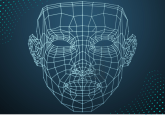
One early external symptom of a stroke is facial expression. With this in mind, the researchers set out to conduct a computational analysis of facial expressions in post-stroke patients and healthy people. Using artificial intelligence, facial symmetry and specific facial muscle movements categorized under the Facial Action Coding System (FACS) were analyzed. The tool was then programmed to recognize the unilaterality of facial muscles frequently observed in patients during a stroke.
The programmed software was trialed on the facial expressions of fourteen patients post-stroke and eleven healthy patients. The tool demonstrated an 82% success rate at detecting stroke. Senior author Dinesh Kumar, the group’s team leader remarked that, “our face-screening tool has a success rate for detecting stroke that compares favorably to paramedics.” Though this success rate is lower than available clinical diagnostic tests for stroke, it is a promising supporting tool that paramedics may use in the future.
 ChatGPT proves unreliable in heart risk assessment
The Medtronic spinal cord stimulator Inceptiv™ receives FDA approval for the treatment of chronic pain.
Signs of stroke are often very subtle, making them harder to detect. Though first responders are trained to recognize a stroke, problems can arise is if they “are working with people who are not their race or gender – most notably women and people of colour – it is more likely that the signs will be missed.” explained Kumar. “This rate can be even higher in smaller regional centers. Given that many strokes occur at home and initial care is often provided by first responders in non-ideal conditions, there is an urgent need for real-time, user-friendly diagnostic tools.”
The authors note in the paper that the tool must first be tested on patients in real-world conditions. However, the authors are hopeful it will facilitate and improve the timely start of response and treatment. “Early detection of stroke is critical, as prompt treatment can significantly enhance recovery outcomes, reduce the risk of long-term disability, and save lives,” emphasized Kumar. The group is also hopeful they can extend the software to detect other neurological conditions that can be identified by recognizing changes to facial expressions.